


What Should Your Pig Know Before Its First Show?
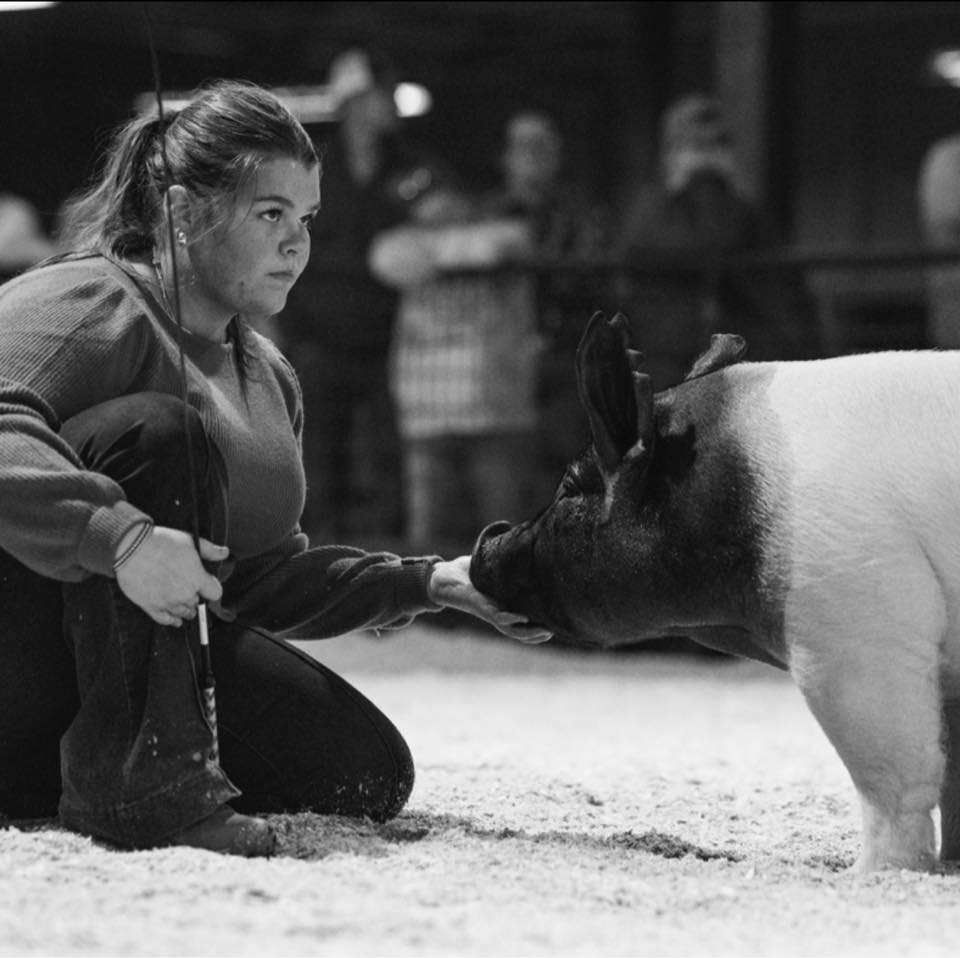
A successful first show starts long before you step into the ring. For a new show pig, learning to walk, respond to the whip, load safely and feel comfortable around unfamiliar people and environments can make a huge difference on show day. The goal isn’t a perfect pig. It’s a prepared one, which means fewer surprises on show day.

Start at Home: Let Your New Pig Settle In
Before you begin to break your pig, give it time to adjust to its new home. Typically, I would wait about 4-7 days after your animal gets home before you start to try walking them in new environments. A new pen, unfamiliar waterers, different feed and separation from familiar pigs can be stressful. Make sure your pig is eating, drinking, and acting normally before adding too much pressure.
Spend time around the pen, be gentle in the way you approach and touch them, and establish a consistent daily routine. This helps your pig learn that you are a familiar presence before you start asking it to follow directions.
Your pig is ready to start walking once it stays calm in its pen, doesn’t try to escape to a corner, and lets you pet and brush it easily.
Teach Your Pig to Walk
Walking is one of the most important skills a show pig needs to learn. Start in a safe, enclosed area with good footing and plenty of room.
Keep early walking sessions short and positive. Usually around 5-8 minutes a day, 5-6 days a week starting out.
Use gentle guidance rather than chasing or constantly pushing the pig.
Practice turns, stopping, and changing direction.
Gradually introduce different areas so your pig learns to walk outside its familiar pen.
Sometimes you will have a pig that is more stubborn than others.; for example, they'll want to run away from you or stop and not move at all. In cases like this, it is important to make sure your animal is as “people-broke” as possible, meaning they aren't afraid of you and will approach you when they enter the pen. With more stubborn animals, wait to take them farther from the barn until they are comfortable with their current environment. Start by taking the pig to the wash rack and giving it a bath a couple of times a week. The buddy system is another helpful tactic: have another person walk their pig next to your stubborn pig.
Consistency matters more than the length of each session. A few calm practice sessions can be more productive than one long, frustrating workout.
Teach Your Pig to Respond to the Whip
The show whip is a communication tool, not something to scare or punish your pig. Introduce it gradually and teach your pig to respond to gentle guidance around its shoulder and side.
Before training your pig to get its head up, help it learn to walk in a forward direction first. Practice going forward consistently at a steady pace, keeping the pig’s head off the ground. Don’t worry about getting the head perfect just yet, just keep your movements consistent so your pig learns what you are asking. If it becomes nervous or frustrated, slow down and return to something it understands.
After your project is comfortable with you and walking at a steady pace, it’s time to introduce head training. I recommend using two whips when you are first starting to break a pig. This allows you to keep their head up and tap them on their side to make them go forward. Make sure your whip is placed directly under the pig's chin or jaw to keep their head up. The goal is to ultimately teach your pig how to walk forward with their head up.
After you have taught your pig to go at a steady pace and keep their head up, you can move back to one whip. It can be hard to tell when it’s time to move down to one whip, but take your time and be patient. You can also remove the second whip for short period of time and add it back in as needed.
Get Your Pig Comfortable Away from Its Pen Mates
A pig that has always been around other pigs may become nervous when separated from them. This can make walking, loading and showing more difficult.
Start by working with your pig individually for short periods in a secure area. Gradually increase the time spent away from pen mates while keeping the experience calm and positive.
If an animal is uncomfortable in its environment, there will be visible signs, including locking up and not wanting to move forward or squealing.
Practice in different areas of the barn and introduce ordinary sounds and activity gradually. The goal is to help your pig become comfortable focusing on you, even when its surroundings change.
It is important to expose your animal to distractions that will be present at shows. I recommend keeping a speaker on in the barn at a relatively high volume to get them used to the sound. At shows, music will be playing sometimes even while you are in the ring. Another thing you can do is have other people walking around you while you are walking your animal to ensure they aren't scared of other people, same thing applies to other animals, you can have someone else walk another pig around you while you are working to help them get used to distractions. To help with distractions, you can also have other people walk near you or even walk their animal nearby while you walk your pig.
Practice Loading Before You Need To
Loading into a trailer or livestock hauling compartment can be one of the most stressful parts of a pig's first show. Waiting until show morning to find out your pig refuses to load can create unnecessary stress for everyone. It is important to test loading your pig on the trailer at least two weeks out from your first show.
Introduce your pig to the loading area in a controlled, safe setting. Allow it to investigate the ramp and surroundings, and use calm, patient guidance. Never force a frightened pig into a situation where it could fall or become injured.
If possible, practice entering and exiting a stationary trailer under appropriate supervision at least one time before the first trip. Make sure the trailer has secure footing, adequate ventilation, and safe partitions. This creates a positive first experience for the animal that they will remember in the future.
If the pig does not want to go up the ramp the first time, it is important to not force it into the trailer. Pigs are smart and they will remember the bad experience that they had, which will make it more difficult to load them in the future. Instead of forcing them onto the trailer, let them make it their idea to load. Typically, if they can get one foot onto the ramp on their own, they will start to walk up the ramp without any issues. You can hold onto their tail and pull it up gently to help them understand they are supposed to go forward. The most important thing with stubborn animals is to just be patient and take your time, do not rush the process.
Once your pig loads on the trailer with ease, make sure to practice loading at least one time a week. After that, it will be easier to manage the transportation process when show day arrives.

Your First-Show Preparation Checklist
Before the first show your pig should be:
Eating and drinking consistently at home
Walking comfortably and turning both directions
Responding to gentle whip cues
Loading calmly with safe footing
Practicing briefly away from pen mates
Experiencing unfamiliar areas and ordinary noises
Having transportation and health preparations in place
Set Your Pig Up for Success
Your pig doesn't need to know everything on day one. It takes time to settle in, learn your cues and build confidence through repetition. Start with the basics, practice consistently and introduce new situations gradually.
The best preparation happens before you arrive at the showgrounds. When your pig is comfortable walking, loading and being away from its pen mates, you can spend less time managing surprises and more time focusing on showing your project.


