


How to Fine-Tune Muscle Definition in Show Pigs
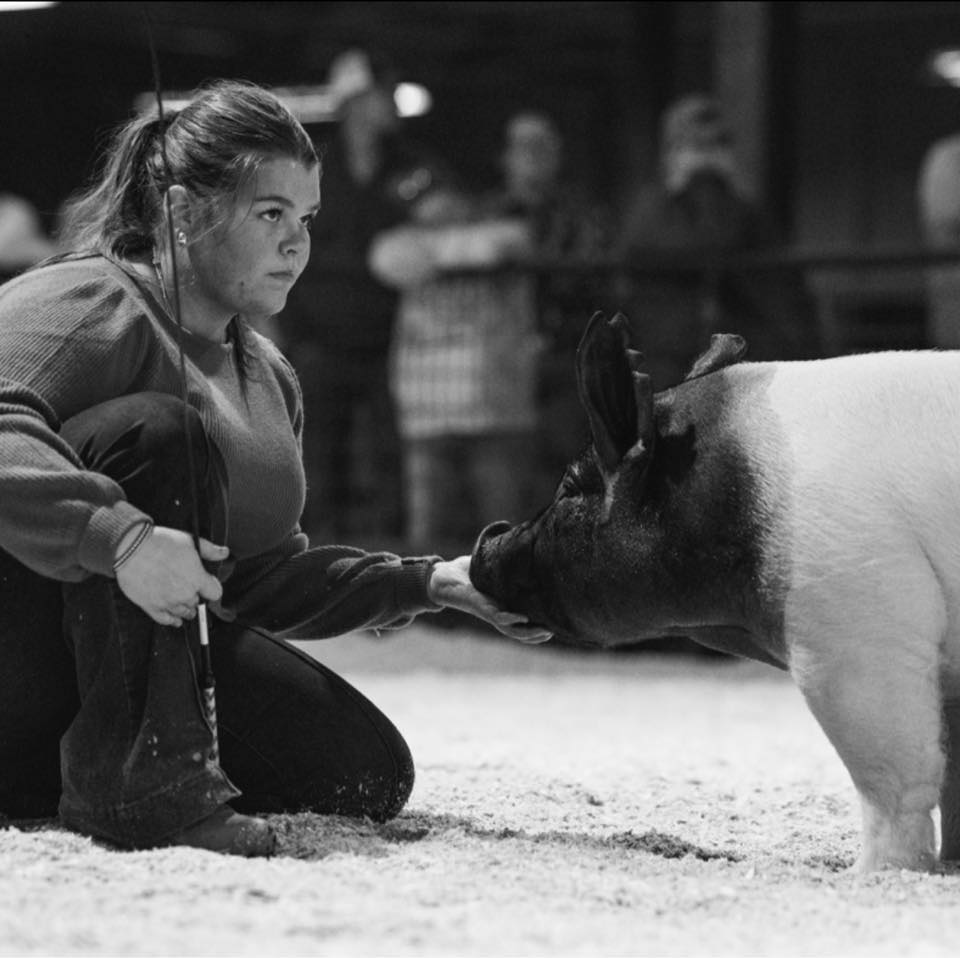

By spring, your pig should already have a solid foundation. The goal now is not just adding more pounds and muscle. It is making sure your pig looks fresh, handles well and has the shape and definition needed to stand out in the ring.
This is the point where ring presence starts to matter more than feed volume. Ring presence is the complete picture your pig gives in the show ring. It includes how balanced the pig looks, how comfortably it moves, how expressive its muscle shape is and how well it handles. A pig with strong ring presence looks powerful, clean, balanced and easy to drive.
This is where the little things start to matter. A pig that gets too soft can lose its edge, while one that gets too tight may lose power and dimension. The sweet spot is finding the right balance between muscle, condition and presentation before show day sneaks up on you.
Building Muscle vs. Shaping Muscle
Earlier in the feeding period, the focus is on growth. You want your pig eating consistently, gaining steadily and developing the muscle, structure and body capacity it needs to compete.
By May or late spring, that focus starts to shift. You are no longer trying to completely change the pig in front of you. You are working with what you have built and fine-tuning the details.
Shaping muscle is about helping your pig look firm, clean and expressive without taking away power. You want your pig to stay bold in its shape but not get overly soft. You also don’t want to pull it down too hard and lose the natural dimension judges like to see.
Use the numbered graphic below to see how each area contributes to a balanced, competitive show pig.

Here’s an example of the natural dimension judges look for:
Long muscular ham
Fullness of loin
Boldness of rib
Width of forearm
Level of topline
Correct set to hocks
One of the best tools you have is your hands. Run your hand across the pig’s top loin edge and rib. If your hand sinks in or the pig feels soft and spongy, it may be carrying too much condition (body fat). If it feels hard, narrow or tucked up with very little give, you may be pulling it down too much (not enough body condition).
You should be able to see shape through the ham and top, while still keeping enough body and freshness to look complete.
What to Watch for Each Day
Daily check-ins become very important this time of year. The scale still matters, but it shouldn’t be the only thing guiding your decisions.
Try to evaluate your pig at the same time each day when possible. Looking before feeding can give you a better read on its natural shape and condition without extra fill from a recent meal.
If you can, look your pig over in the morning and again in the evening. Pigs can look different depending on feed, water intake, temperature and activity, so checking more than once a day can help you make better decisions.
Look at your pig from the side, from behind and on the move.
From the side, check for balance, body and freshness. Does the pig still look complete, or is it starting to look too flat or too heavy?
Also look at how the whole pig ties together. A pig may have muscle, but if the shoulder, rib, top and ham do not blend smoothly, it can start to look choppy instead of balanced.
Balance and eye appeal come from the overall combination of structure, muscle, condition and finish. A balanced pig looks complete from front to back, with each part working together to create a clean, attractive look in the ring. See the graphic below for an example of good balance and eye appeal.

Picture credit: Texas Youth Livestock
Do these checks:
From behind: Look for shape, width and dimension. Does the ham have expression? Does the pig still show shape through its top?
On the move: Watch how the pig handles itself. Does it move freely and comfortably? Does it stay collected, or does it get stiff, tired or hard to manage?
Stride: Pay attention to how naturally the pig reaches and drives. A pig with a longer, more comfortable stride will usually look more athletic and balanced than one that takes short, stiff steps or fights the exhibitor.
You can also take photos or short videos once a week from the same angles. Sometimes small changes are easier to see when you compare this week’s picture to last week’s instead of relying on memory.
Make Small Adjustments, Not Big Corrections
Spring is not the time to panic or make major changes without a plan. Big swings in feed, exercise or supplements can create more problems than they solve.
Instead, focus on steady adjustments. If your pig is getting too soft (fat), you may need to manage condition and increase exercise. If your pig is getting too tight (lean), you may need to protect freshness and make sure it is not being pushed too hard.
Exercise can be a big help during this stage, but it needs to be purposeful. The goal is not to wear your pig out. The goal is to build muscle tone, stamina and confidence.
As the weather gets warmer, walk during cooler parts of the day when you can. Short, consistent sessions are usually better than long, exhausting ones. You want your pig to build endurance and stay responsive without getting tired or sour.
Use walking time to practice for the ring, not just burn energy. Work on getting your pig to move calmly, respond to direction and stay comfortable with pressure. A pig that walks well, handles well and stays relaxed will usually present better when it matters most.
What Experienced Exhibitors Do Differently
Experienced show families don’t wait until the week of the show to start paying attention. They are watching their pigs every day and making little changes along the way.
They also know every pig is different. One pig may need more shape and freshness. Another may have plenty of power but needs to clean up. One may walk naturally, while another needs more practice to stay focused in the ring.
Another thing experienced exhibitors do well is practice like it’s show day. They don’t just walk the pig around the pen. They work on entering the ring, changing direction, keeping the pig’s head up and helping it look its best while moving.
They also get their pigs used to real-life distractions before show day. Different surfaces, new sounds, other animals, people walking nearby and a little extra activity can all help a pig learn to stay calmer when the ring gets busy.
They also pay attention to timing. A pig that needs small changes four weeks before the show is different from a pig that needs final touches a few days before the show. The closer you get to show day, the more careful and intentional each adjustment needs to be.
That steady, thoughtful approach is often what separates a good project from a great one.
Final Touches That Help Bring it Together
As show day gets closer, the right supplements can help build on the work you have already put in.
Appetite Attack helps encourage consistent intake and keep your pig on feed during stressful times. As schedules change, temperatures rise and show days get closer, a strong appetite can make a big difference in keeping your pig fresh, full and on track.
On Point is a good fit when your pig has enough power but needs to clean up and sharpen its appearance. If you are working on definition, freshness and show-day finish, On Point can help support a tighter, more refined look.
These products are not a shortcut around good feeding, walking and daily care. They work best as part of a consistent program built around your pig’s individual needs.
Bottom line, by spring, success comes down to the details. You have already done the work to build the foundation. Now it is about keeping your pig eating, shaping the look and making sure it is ready to walk into the ring with confidence!

On Point - Ultimate Muscle & Freshness
On Point is the key to giving your project a fresher, more youthful look while creating more cover and mass on the top side of the skeleton.

Appetite Attack - Maximize Show Animal Nutrition
Appetite Attack is a daily gut health supplement that helps you get more out of your nutrition program. Top dress with any diet to give your project a show-ring advantage.


