


Skin and Hair Care for Show Pigs During Winter
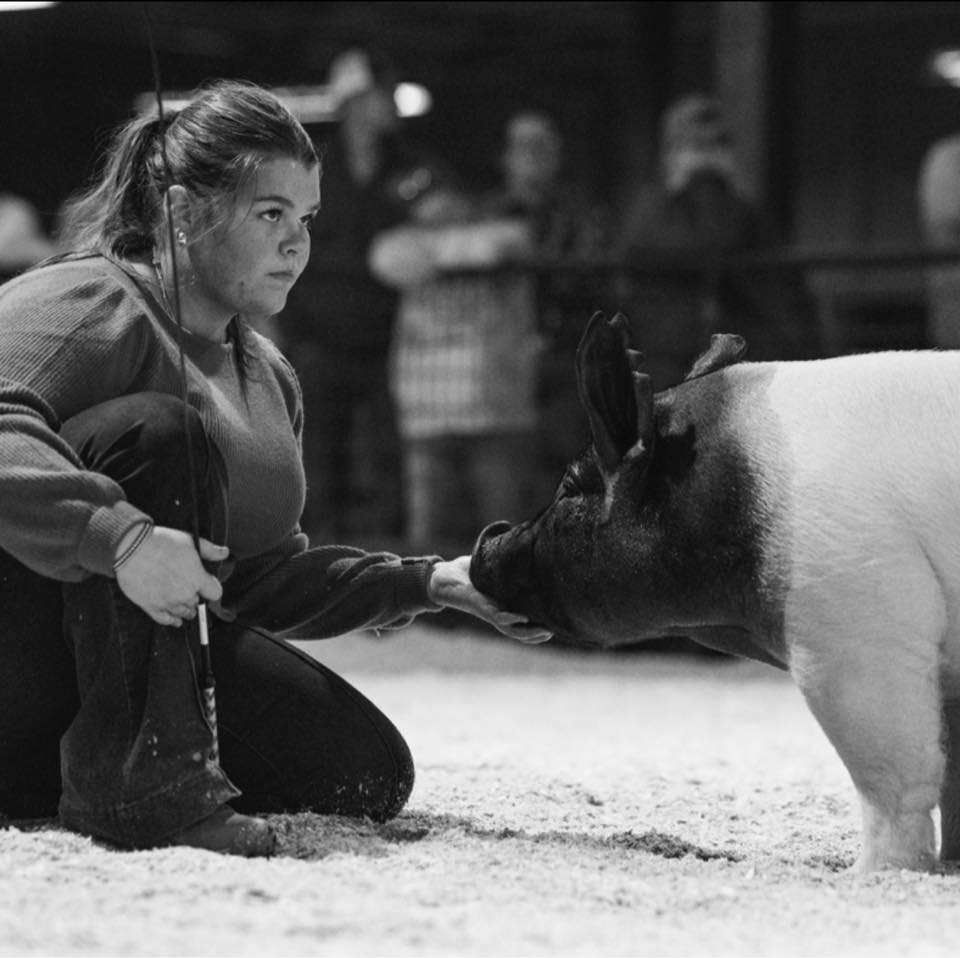
Winter months bring a different set of challenges for show pig exhibitors, especially when it comes to maintaining healthy skin and hair. Cold temperatures, dry barn conditions and frequent washing can leave pigs with dry, flaky skin and hair that becomes difficult to manage. Exhibitors often focus on hair growth and skin condition during the warmer months, but winter matters just as much. With a few adjustments to your routine, you can keep your pig’s coat looking its best all season.
Judges notice good skin and hair when they evaluate a class. It won’t always decide where you place, but it can be the deciding factor when a judge is choosing between two very close animals.
Good skin and hair includes:
Hydrated skin and hair that appears fresh and clean
No dryness or visible flaking skin
Vibrant white where there is white on the pig, as well as dark black, which can be acquired through sun exposure and tanning and routine bathing and application of conditioners
Healthy hair
These are all things that can be maintained through daily care; having good skin and hair shows that you have put the extra time and effort into your animal's appearance.

Managing Dry Skin
Dry skin is common when pigs are exposed to cold air, low humidity and heated barn environments. Flaking, irritation and a dull hair coat can all be signs that your pig needs some extra attention.
I’ve found that the following help manage dry skin:
Avoid washing too often, which can strip natural oils from the skin. Washing once a day or every other day is ideal.
Use moisturizing skin and hair products as part of your regular daily routine, applying them once or twice daily. Products with an oil base last longer and are ideal for colder seasons. Apply a generous amount all over the pig's body and brush it into the skin thoroughly.
Keep bedding clean and dry to prevent additional skin irritation.
Make sure your pig is receiving balanced nutrition and adequate water.
Pay attention to excessive scratching, redness, or irritation, which may require veterinary attention.
Dry, flaky skin is usually a sign that your pig needs more daily conditioning and skin hydration. Skin infections such as mange or staph infections aren't directly related to dry skin and need vet treatment to get rid of in some cases.
Don't wait until your pig has visibly flaky skin to start paying attention to its skin condition. Working the skin and hair consistently and managing moisture throughout winter can help prevent problems before they start.
Washing and Drying During Cold Weather
Washing pigs during the winter can be tricky. Unlike summer, when pigs can dry relatively quickly, cold temperatures make it important to have a plan before getting the hose out.
Whenever possible, wash pigs during the warmest part of the day in an enclosed area with good ventilation. Avoid washing them when temperatures are extremely cold or when they will be exposed to drafts afterward.
A few things to remember:
Use comfortably lukewarm water rather than extremely hot or cold water. Every pig is different, so pay attention to how yours responds to the water temperature.
Keep water pressure comfortable and avoid directing a strong stream at sensitive areas. A pig that is uncomfortable may become more resistant to washing, making grooming more difficult for both the pig and the exhibitor.
Watch for behaviors such as repeatedly stepping away, resisting the water, becoming restless or trying to avoid certain areas being washed. These reactions may indicate that the water temperature or pressure is uncomfortable.
Consider using a moisturizing shampoo when washing to help prevent dryness and flaky skin.
Use a blower or towel to begin drying your pig immediately after washing.
Make sure your pig is completely dry before returning it to a cold environment; blow dry for around 5 minutes or until the hair is dry when you run your hands through it. Don’t skip the underside, like the belly, flank and chest, when you are drying.
Once the pig is dry, apply a conditioner, sheen or oil to help maintain moisture in the skin and hair.
Keep Skin and Hair a Priority All Winter
Winter skin and hair care is about consistency. Adjusting your washing schedule, maintaining moisture and making sure pigs are properly dried can help prevent unnecessary skin and hair problems. Following this adjusted routine all winter will pay off when show season arrives, with a hydrated, healthy coat that stands out in the ring!


